
Business
‘I have no financial safety net’: I’m 66, rely on Social Security and have $500 in savings. What politician speaks for me?
By Katherine Langford
Advertisement · Why this ad?
Marcus manages the day-to-day editorial workflow across all brands, coordinating coverage assignments and ensuring editorial standards are met. He previously served as city editor at the Pioneer Press and holds a degree in Political Science from Carleton College.
More from Marcus →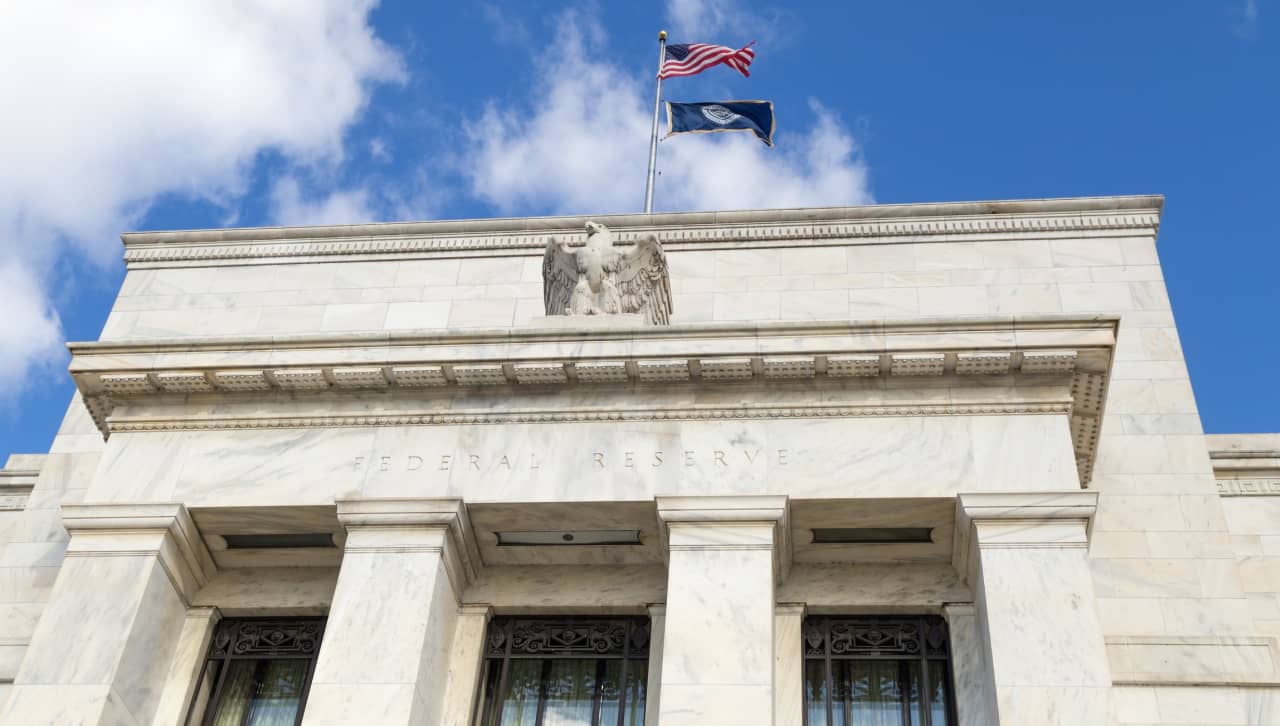
On a brisk Friday morning in New York City, Wall Street traders gathered around their screens, coffee in hand, as they awaited the release of the latest jobs report. The anticipation was palpable. Would the data confirm the Federal Reserve's current trajectory, or would it send shockwaves through the market? When the numbers finally dropped, they were hotter than expected, igniting a flurry of speculation about the future of interest rates.
The U.S. jobs report released on Friday revealed an unexpected surge in employment, with the economy adding 300,000 jobs in October, far exceeding analysts' expectations of 200,000. The unemployment rate held steady at 3.5%, signaling a resilient labor market despite concerns over inflation. This news has raised questions about the Federal Reserve's next moves regarding interest rates.
Economists had been anticipating a slowdown in job growth as the Fed's aggressive rate hikes began to take effect. However, this latest report suggests that the labor market remains robust, which could prompt the Fed to reconsider its strategy. The central bank has already raised rates several times this year, and this data could lead to two more hikes before the end of 2023.
The implications of these developments are significant. Investors are now wrestling with the possibility that the Fed may not be done tightening monetary policy. If job growth continues to outpace expectations, it could lead to a re-evaluation of the Fed's rate hike timeline, resulting in a major market repricing.
Following the release of the jobs report, stock futures reacted sharply. The S&P 500 index dropped by 1.5% in premarket trading, as investors braced for potential interest rate hikes. The bond market also felt the impact, with yields on 10-year Treasury notes rising as traders adjusted their expectations for future rate increases.
Market analysts are divided on how this data will influence the Fed's decision-making. Some believe that the strong job numbers will push the central bank to continue its aggressive approach, while others argue that the Fed may take a more cautious stance, balancing growth with inflation concerns. The uncertainty has created a volatile environment for investors, who are now weighing the risks of a potential recession against the backdrop of a strong labor market.
The unexpected strength in the labor market poses both opportunities and challenges for the economy. On one hand, a thriving job market can lead to increased consumer spending, which is vital for economic growth. On the other hand, it raises concerns about inflation, as employers may need to offer higher wages to attract talent in a competitive environment.
Federal Reserve Chair Jerome Powell has repeatedly emphasized the importance of a stable economy, and the latest jobs report adds complexity to the Fed's decision-making process. If wage growth accelerates alongside job creation, it could lead to sustained inflationary pressures, prompting the Fed to act more aggressively.
For everyday New Yorkers, the implications of these economic shifts are tangible. Higher interest rates could translate to increased borrowing costs for mortgages and personal loans, impacting families and businesses alike. As the cost of living continues to rise, many residents are left wondering how these changes will affect their financial stability.
The community's response to the jobs report has been mixed. Some local business owners are optimistic, seeing the strong job numbers as a sign of economic resilience. "We’ve seen an uptick in customer spending, and I believe it’s a reflection of the job market's strength," said Maria Gonzalez, owner of a popular café in Brooklyn. Her café has seen a 15% increase in foot traffic over the past month, which she attributes to increased consumer confidence.
However, not everyone shares this optimism. Many residents express concern over the potential for rising interest rates, which could lead to higher rents and increased costs of living. "I worry about what higher rates will mean for my family and our ability to save for a home," said James Lee, a father of two in Queens. The anxiety surrounding financial security is palpable among families, as they navigate the complexities of the current economic landscape.
Local community organizations, such as the New York City Economic Development Corporation, are stepping in to provide resources and support for families facing financial uncertainty. Workshops on budgeting and financial planning have become increasingly popular, as residents seek to prepare for potential economic shifts. The organization’s director, Sarah Thompson, notes, "We are committed to helping families understand the broader economic landscape and how to make informed financial decisions during these unpredictable times."
As we move into the final months of 2023, the focus will remain on the Fed's upcoming meetings and the potential for further rate hikes. Investors and economists will closely monitor job growth, wage increases, and inflation data to gauge the Fed's next steps. The central bank has a challenging task ahead, balancing the need for economic growth with the imperative to control inflation.
For New Yorkers, the outcome of these decisions will be critical. The city is known for its resilience, but rising interest rates could strain many families already grappling with the high cost of living. As the community braces for potential changes, it is essential for residents to stay informed and prepared for what lies ahead.
In addition to the economic implications, the social fabric of New York City may also be affected. As families face tighter budgets, community engagement and local support systems will be tested. Nonprofits focused on housing assistance and food security are already preparing for increased demand. Organizations like City Harvest and the NYC Housing Authority are mobilizing to ensure that vulnerable populations are not left behind during this economic transition.
In conclusion, the unexpectedly strong jobs report has created a ripple effect across the financial landscape, prompting a reassessment of the Federal Reserve's approach to interest rates. While some may see this as a positive sign of economic strength, others remain wary of the implications for their families and the broader community. As the situation unfolds, staying connected to reliable resources and engaging in informed discussions will be crucial for navigating the uncertain economic terrain.
By Katherine Langford

By Marcus Chen

By Marcus Chen

By Marcus Chen