
Business
How do Americans feel about the midterm results? It depends on how much money they make.
By Katherine Langford
Advertisement · Why this ad?
Marcus manages the day-to-day editorial workflow across all brands, coordinating coverage assignments and ensuring editorial standards are met. He previously served as city editor at the Pioneer Press and holds a degree in Political Science from Carleton College.
More from Marcus →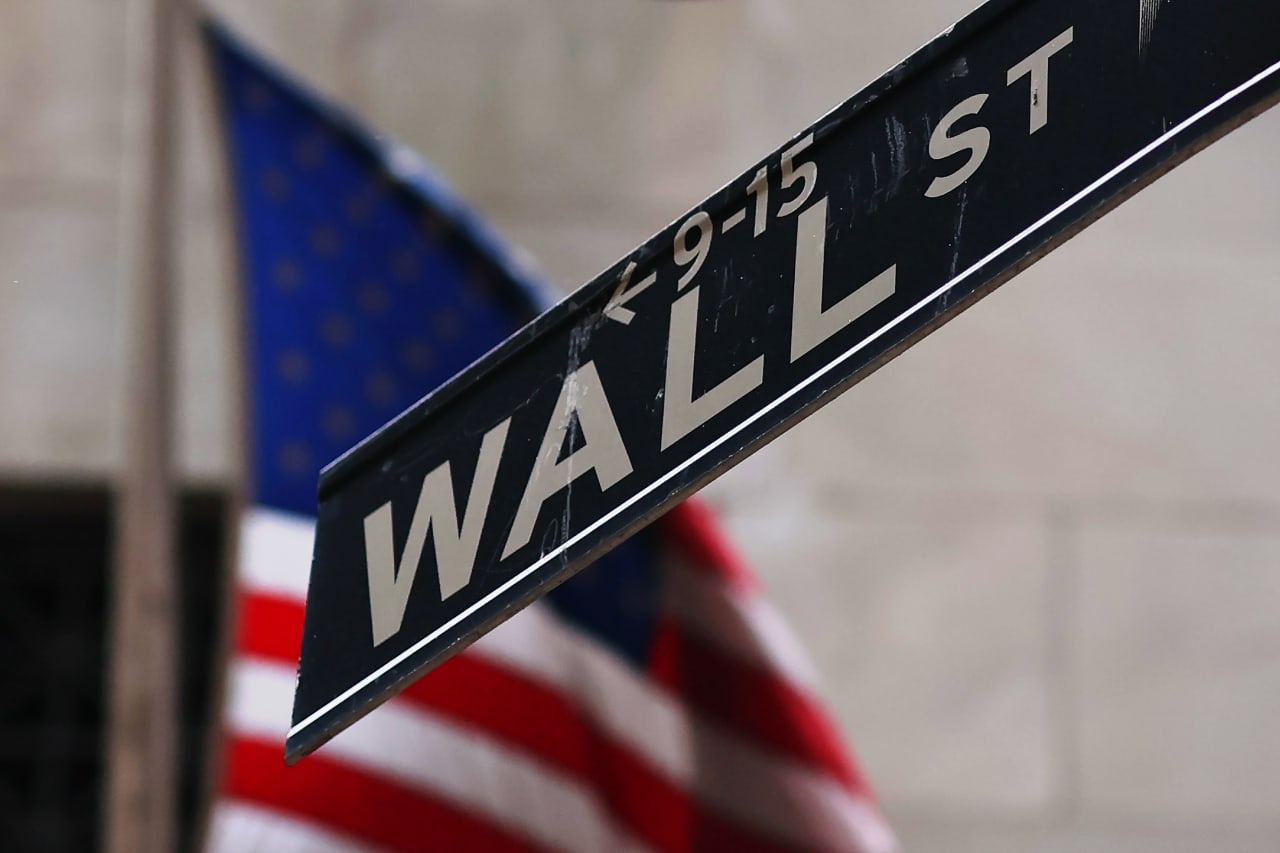
On a brisk autumn morning in New York City, Wall Street veteran and market analyst John Davis stood in front of a large screen displaying the latest stock market trends. With furrowed brows and a hint of disbelief, he pointed to a series of charts that he described as some of the most unbelievable he has ever seen. The juxtaposition of the S&P 500 index plummeting into oversold territory while nearly half of its constituent stocks remained overbought has left many investors scratching their heads.
The U.S. stock market is currently experiencing a historic divergence. As of late October 2023, the benchmark S&P 500 index has tumbled significantly, entering deeply oversold territory. This downturn comes amidst a backdrop where nearly half of the stocks within the index remain decidedly overbought. Such a scenario is rare and signals a potential disconnect between market sentiment and individual stock performance.
Davis noted that this unusual market behavior could be attributed to a variety of factors, including economic uncertainty, interest rate fluctuations, and investor sentiment. The S&P 500's decline has raised concerns among analysts, as it reflects broader economic challenges while many companies within the index are still experiencing robust earnings.
In practical terms, this divergence means that while the overall market is struggling, certain sectors and stocks are thriving. This phenomenon has led to increased volatility, creating both risks and opportunities for investors looking to navigate the current landscape.
To grasp the implications of this market divergence, it is essential to understand the underlying factors at play. The S&P 500, which is often seen as a barometer for the U.S. economy, has faced headwinds from rising inflation and tightening monetary policy. The Federal Reserve's recent interest rate hikes have spurred fears of a recession, prompting many investors to reassess their portfolios.
Meanwhile, despite the overall market downturn, a significant portion of stocks within the index has continued to perform well. This can be attributed to strong earnings reports from companies in sectors such as technology and healthcare, which have proven resilient in the face of economic pressures. For instance, tech giants like Apple and Microsoft have reported impressive growth, contributing to the overbought status of their shares.
Investor sentiment plays a crucial role in shaping market dynamics. As fear and uncertainty permeate the market, many investors tend to gravitate towards safer assets, causing a flight to quality. This behavior can lead to significant price discrepancies between high-performing stocks and the broader market. Davis emphasized that understanding this sentiment is vital for investors aiming to make informed decisions in this turbulent environment.
The reaction among local investors and financial professionals has been one of cautious optimism. Many are taking a wait-and-see approach, closely monitoring the evolving market conditions. “We’ve seen this before,” said Sarah Thompson, a financial advisor based in Manhattan. “Markets can be irrational, and while the S&P 500's decline is concerning, there are still opportunities out there if you know where to look.”
Thompson pointed to the importance of a diversified portfolio as a hedge against market volatility. She encourages her clients to focus on long-term investment strategies rather than reacting impulsively to short-term market fluctuations. “Staying committed to a well-thought-out plan is crucial, especially in times like these,” she advised.
Local investment clubs and financial meetups have also seen an uptick in discussions surrounding the current market conditions. These gatherings have become a platform for sharing insights and strategies, allowing investors to learn from one another. “We’re all in this together,” remarked Tom Jenkins, a member of a local investment group. “The more we share knowledge, the better equipped we are to handle the volatility.”
In addition to financial professionals, retail investors are also expressing their perspectives on the market's current state. Emily Chang, a retail investor who frequents local investment workshops, shared her thoughts on the importance of education during such volatile times. “It’s essential to understand what’s happening beneath the surface. I’ve been attending workshops and webinars to get a clearer picture,” she said. These educational initiatives, often organized by local financial institutions, aim to empower everyday investors with the tools they need to navigate the complexities of the market.
Moreover, small business owners in New York City are feeling the ripple effects of the stock market's volatility. Maria Gonzalez, who runs a local café, mentioned that her business depends on consumer confidence, which can be heavily influenced by market trends. “When people are worried about their investments, they tend to cut back on spending. It’s a tough cycle,” she explained. The interconnectedness of the stock market and local economies highlights the broader implications of these market fluctuations.
Looking ahead, investors must navigate a landscape marked by uncertainty and potential opportunity. The divergence between the S&P 500 and its constituent stocks presents both challenges and avenues for strategic investment. Analysts suggest that a careful evaluation of sector performance and individual stock fundamentals will be key in the coming months.
As the Federal Reserve continues to adjust its monetary policy, market participants will need to remain vigilant. The potential for further interest rate hikes could exacerbate the current volatility, making it essential for investors to stay informed and adaptable. Davis urges investors to consider not only the macroeconomic indicators but also the microeconomic factors that can influence individual stocks.
Furthermore, the sentiment among retail investors is shifting, with many turning to educational resources to better understand market dynamics. Online platforms and financial blogs are buzzing with content aimed at demystifying the current state of the market. “Knowledge is power,” said Emily Chang, a retail investor who has been actively engaging with online trading communities. “I’ve been learning about technical analysis and how to identify potential entry points.”
In conclusion, the current state of the U.S. stock market reflects a complex interplay of factors that investors must navigate with care. While the S&P 500's decline raises alarms, the resilience of many individual stocks offers a glimmer of hope. For those willing to do their homework and maintain a long-term perspective, the potential for success remains within reach. As the situation evolves, the actions taken by both institutional and retail investors will play a crucial role in shaping the future of the market.
By Katherine Langford
By Katherine Langford
By Marcus Chen

By Katherine Langford